
Chosen theme for today: Seasonal Hiking Gear Essentials. Welcome, trail lovers. Let’s craft a dependable, adaptable kit that keeps you comfortable, safe, and joyful in spring blossoms, summer heat, autumn storms, and deep winter cold. Share your must-have items and subscribe for fresh seasonal checklists and real-world trail tips.

Base layers that breathe in spring and insulate in winter
A great base layer wicks during brisk spring climbs and traps warmth under winter shells. Choose merino for odor control and steady comfort, or synthetics for fast drying on sweaty ascents. Test at home with a brisk walk, then share your results with us.
Midlayers for motion: fleece, active insulation, and strategic swapping
Classic fleece shines on cool mornings, while breathable active insulation excels when you never quite stop moving. Carry a light grid fleece in shoulder seasons and a loftier piece for snow days. Swap midlayers quickly during breaks to avoid chills, and tell us your go-to combo.
Outer shells for rain, wind, and snow without compromise
A quality shell blocks gusts and sheds sudden rain, becoming indispensable in unpredictable autumn. Look for pit zips, adjustable hoods, and durable water repellent that you refresh seasonally. Keep your shell handy on top of your pack and report your favorite storm-tested model.
Footwear for Changing Trails and Temperatures
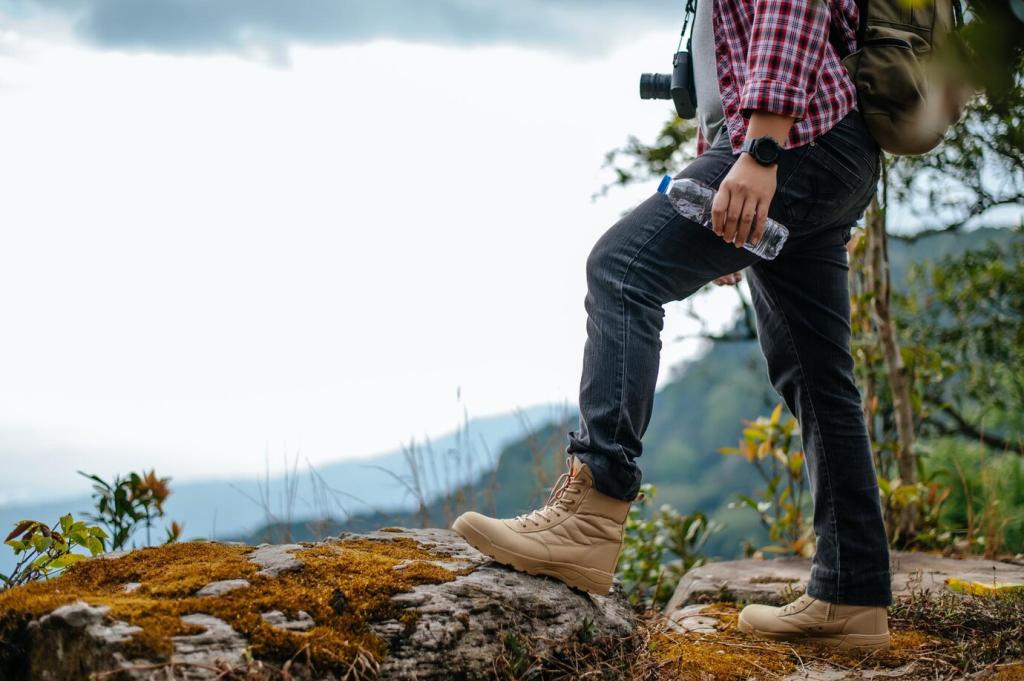
As trails thaw, waterproof boots with supportive ankles and toothy lugs help dominate slick roots and lingering snow patches. Pair with lightweight gaiters to keep mud out and maintain dry socks. If you have a spring boot you swear by, drop a comment and why.
In summer heat, airy trail runners reduce blisters and dry quickly after creek crossings. Add thin wool socks for moisture management and a rock plate for sharp talus. Practice foot care with tape and balm before big miles, then tell us your summer blister-avoidance rituals.
Insulated boots with room for thicker socks keep toes alive on subfreezing ridges. Pair knee-high gaiters to block spindrift and snowmelt. Test fit with your traction device at home, then share your hardest-won winter footwear lesson so others can learn before the frost bites.
Weather Protection and Sun Safety
Light storms or daylong downpours require venting options like pit zips, two-way zippers, and mesh pockets. Combine a brimmed cap under your hood to keep rain off your face. Practice adjusting on the move so you avoid sweat buildup, and share your favorite ventilation hack.
Weather Protection and Sun Safety
High-elevation sun can roast even in winter. Use UPF long sleeves, a wide-brim hat, and glacier glasses when on snow. Reapply mineral sunscreen often and protect the backs of hands and neck. Comment with your most overlooked spot for sunscreen and how you remember to reapply.
Weather Protection and Sun Safety
Wind steals heat rapidly on ridges and frozen lakes. A lightweight wind jacket can extend comfort without the weight of a full shell. Pack it near the top and practice quick deployment. Share a story when a wind layer saved your day, and inspire another hiker’s choice.
Hydration, Fuel, and Temperature Management
Water freezes from the top down; store bottles upside down and insulated. Keep one near your body and use a wide-mouth lid to reduce ice. Hot tea boosts morale and warmth on breaks. Share your favorite winter thermos trick and how you avoid frozen bite valves.
Navigation and Safety Essentials by Season
Short days, bright beams: headlamps that truly last
As daylight shrinks, carry a headlamp with a warm beam option and spare batteries. Lithium cells perform better in cold than alkaline. Practice changing batteries with gloves. Post your favorite headlamp model and beam setting for foggy, reflective snow nights.


Spring hazards: swollen streams and lively ticks
Evaluate crossings by depth, speed, and footing; unbuckle your hip belt before you wade. Carry tick tweezers, treat clothing with permethrin, and do thorough checks. Share your de-ticking protocol and stream judgment rules that keep you moving confidently and safely.

Winter puffy layers and thermoses swell pack volume; choose a slightly larger bag or add exterior lash points. Use a simple compression system to stabilize load. Comment with your cold-season pack size sweet spot and how you prevent that top-heavy wobble.
Keep shell, wind layer, gloves, and snacks near the top or in hip pockets. Stash a small trash bag for wet layers. Practice blind retrieval at home. Tell us which pocket earns the most praise on stormy days and why it saves time and warmth.

Rotate your kit: add a bivy and extra insulation in winter, tick tools and extra filtration in spring, and more electrolyte mix in summer. Keep a written checklist. Share your most-used emergency item and what you removed after learning you never needed it.
Care, Maintenance, and Longevity of Seasonal Gear
Dirt and oils clog fabric; wash with tech-friendly detergent, then restore durable water repellency with heat or wash-in treatments. Test beading before trips. Post your favorite DWR product and how often you refresh it during rainy shoulder seasons.
Stories from the Trail: Lessons from Four Seasons
We hit a ridge as a surprise front rolled in, and only the pre-fitted hood and brimmed cap kept visibility usable. Quick midlayer changes saved warmth. Let us know the one small habit that helped you turn a soaking into a confident, steady descent.