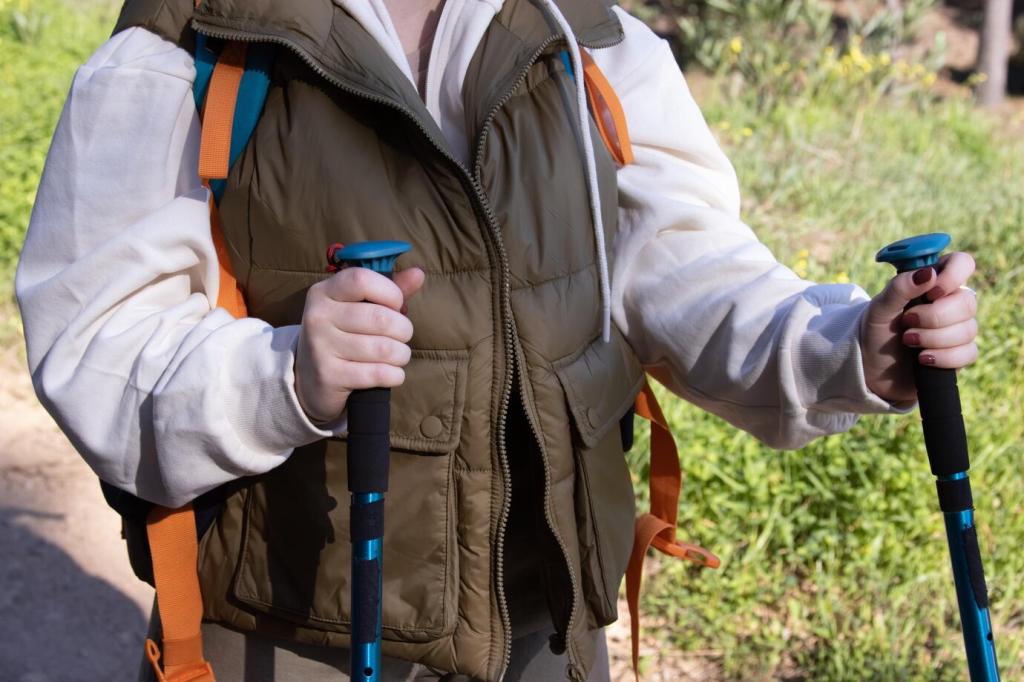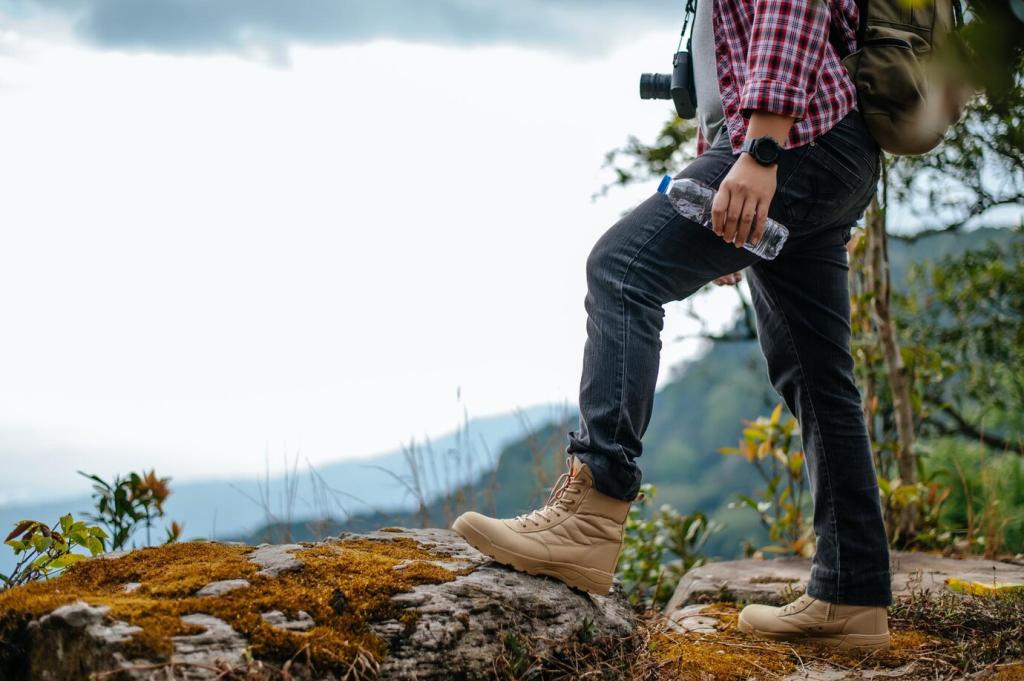
Chosen theme: Weather-Specific Hiking Safety Tips. Lace up with confidence as we turn forecasts into friendly guides, not frightening surprises. Explore practical, field-tested advice, stories from the trail, and quick checklists. Share your own experiences, ask questions, and subscribe for seasonal updates that keep every step safer.

Reading the Sky Like a Guide

Feathered cirrus often announce approaching fronts within a day, while cauliflower cumulonimbus can build menacingly within an hour. Notice wind shifts, humidity rising, and the faint smell of ozone—nature’s subtle weather alerts you can actually trust.

Reading the Sky Like a Guide

A fast barometric drop usually means inbound precipitation or wind. Pair a simple altimeter watch with downloaded local forecasts and offline radar snapshots. If signal fades, your wrist and senses still provide timely, safety-shaping information.


Heat and Sun: Smarter Miles Under a Blazing Sky

Plan roughly half a liter per hour in mild heat and up to a full liter during intense exposure, plus electrolytes. Avoid hyponatremia by balancing water with sodium. Pre-hydrate, sip steadily, and schedule shade breaks early.

Cold, Snow, and Ice: Winter Wisdom for Secure Footing

Use a wicking base, insulating mid-layer, and breathable shell. Vent early to prevent sweat chilling you later. Keep one dry emergency layer sealed in a bag. Small choices compound into big warmth when temperatures plummet unexpectedly.

Cold, Snow, and Ice: Winter Wisdom for Secure Footing

Microspikes grip packed snow, crampons handle steeper ice, and snowshoes float on fresh powder. Evaluate slope angle, runout hazards, and recent melt-freeze cycles. A tiny, timely switch in traction can prevent a big, life-changing fall.

Rain and Thunderstorms: Decisions That Truly Matter

Follow the 30–30 rule: if thunder follows lightning within thirty seconds, seek safer terrain and wait thirty minutes after the last thunder. Avoid ridgelines and lone trees. Spread out, crouch only if exposed, and prioritize distance from conductive features.

Rain and Thunderstorms: Decisions That Truly Matter

Rising, muddy water and floating debris mean danger. Unbuckle your hip belt, cross as a team slightly upstream, and avoid narrow slots with upstream storms. Post your best crossing strategies so others can build confidence safely.

Wind, Fog, and Low Visibility: Navigating When Trails Disappear

Use streams, ridgelines, and trails as handrails. Pick a bearing to a large backstop like a road or lake. Pace count, triangulate when possible, and practice in low stakes conditions so stress doesn’t erase your skills.

Wind, Fog, and Low Visibility: Navigating When Trails Disappear

Shorten spacing, assign a sweep, and agree on whistle signals before fog thickens. Reflective tape on packs helps in headlamp beams. Share communication tricks that kept your group cohesive in wind or whiteout conditions.

Shoulder Seasons: Planning for Rapid Weather Swings

Choose aggressive lugs for mud, microspikes for morning ice, and mid-height boots to keep slush out. Wear gaiters to block grit and water. Share your shoulder-season kit so others can refine their packing list.
Polinaravexononex
Privacy Overview

This website uses cookies so that we can provide you with the best user experience possible. Cookie information is stored in your browser and performs functions such as recognising you when you return to our website and helping our team to understand which sections of the website you find most interesting and useful.