
Chosen theme: Preparing for Altitude: Seasonal Adjustments in Hiking. From first thaw to deep winter, we’ll help you adapt your pace, gear, mindset, and safety decisions to the shifting realities of thin air. Read on, share your own high-country lessons, and subscribe for fresh altitude-ready tips each season.
How Seasons Shape Your Altitude Experience
At higher elevations, small changes in barometric pressure can add up. A stormy day can make breathing feel harder, even on familiar trails. That’s why acclimatization feels different in spring storms versus crisp autumn highs. Notice how your pace and recovery shift, and tell us how pressure drops have affected your summit plans.
How Seasons Shape Your Altitude Experience
In summer, extra daylight makes slow ascents easier to schedule; in winter, cold stress can mask early altitude symptoms. Plan conservative first days in every season, with gentle elevation gains, hydration, and consistent sleep. Share your acclimatization rhythm in the comments so others can learn from your seasonal timing.
Spring Shoulder Season Strategies
Managing Freeze–Thaw and Variable Traction
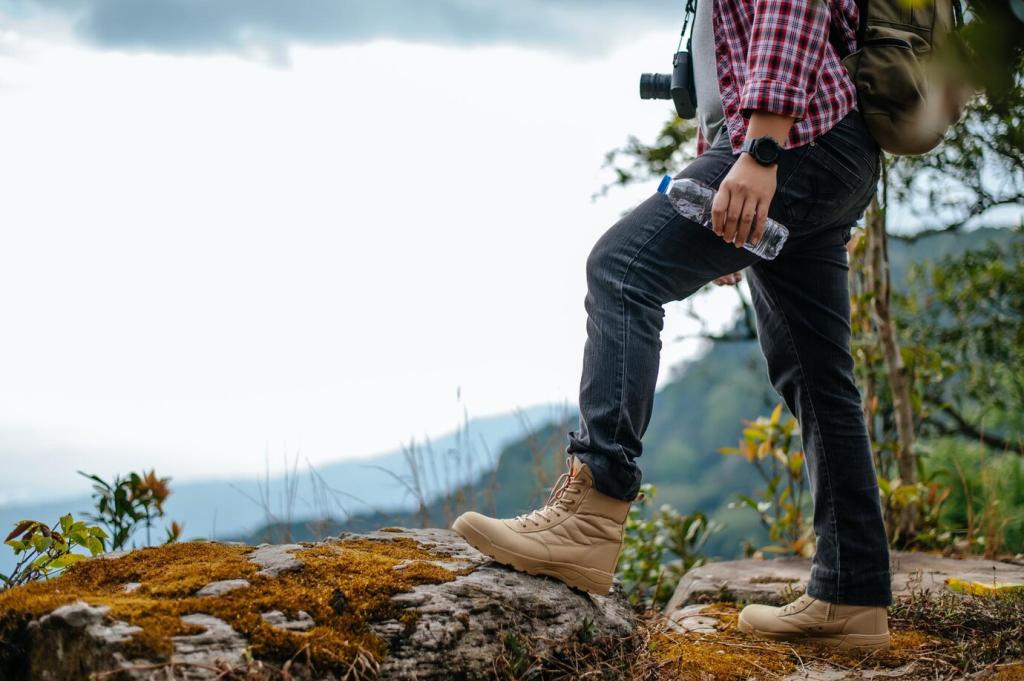
Morning ice can demand microspikes, while afternoon slush swallows ankles and exhausts legs. Pack light traction and gaiters, plus waterproof socks if your route crosses patchy snowfields. Start earlier to enjoy firm snow, and be ready to pivot if warmth turns slopes into postholing misery. Comment with your favorite spring traction combos.
Route Selection Around Lingering Snowfields
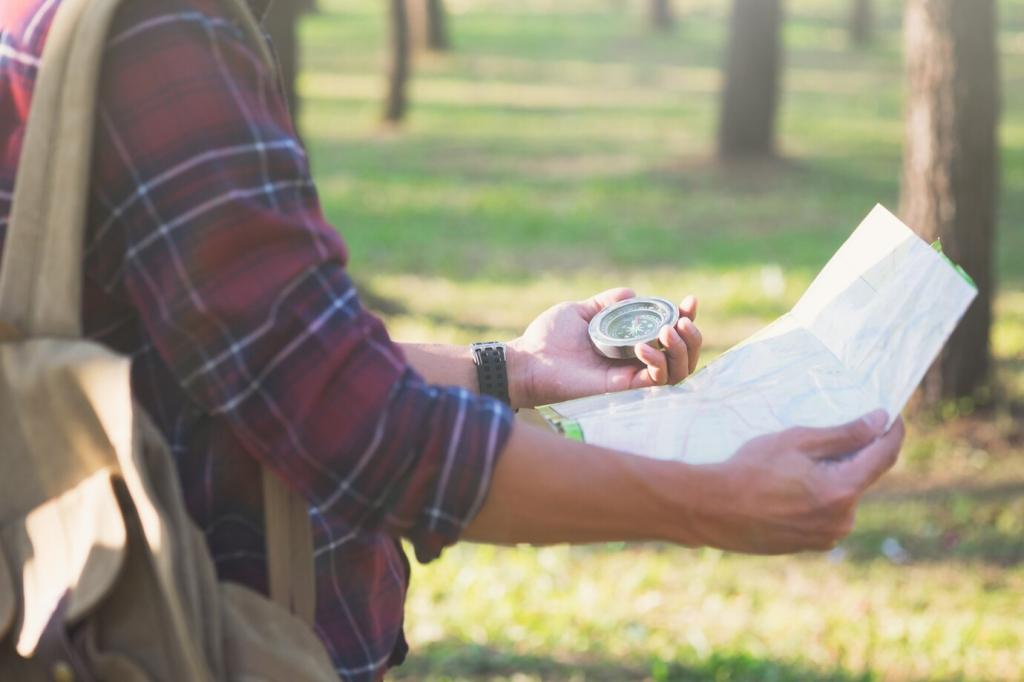
Aspect matters: north-facing slopes hold snow and shade longer, while sun-kissed aspects can be rockfall-prone by midday. Favor ridgelines and lower-angle routes when consolidation is uncertain. Early starts minimize hazards and effort. If you’ve found a safer spring alternative to your usual summer route, share the beta to help others plan.
Community Check-Ins and Condition Reports
Crowd wisdom shines in spring. Local reports reveal when creek crossings swell or when corn snow finally sets. Read trip logs, call ranger stations, and add your own observations about ice, snow bridges, and wind slabs. Your updates could help someone choose a safer acclimatization hike this week.
Summer at Altitude: Heat, Storms, and Unforgiving UV
Start Early and Beat the Thunder
In many ranges, storms pop after lunch. Aim to summit before noon and be descending when clouds build anvils. Watch wind shifts, rapidly forming cumulus, and distant grumbles. Make your turnaround time non-negotiable. Tell us your go-to sunrise breakfast that fuels early, safe summits without slowing your acclimatization.
UV and Snow Glare Protection
Even at moderate elevations, UV exposure bites harder, especially on snow and granite. Wear brimmed hats, high-coverage sunglasses, lip balm with SPF, and long sleeves with breathable weave. Reapply sunscreen generously. A lightweight sun hoody can feel cooler than bare skin at altitude, and your future self will thank you.
Hydration and Electrolytes in Thin, Hot Air
Altitude can increase fluid loss while appetite dips. Sip steadily, aiming for small, frequent drinks with electrolytes. Cold mountain water feels refreshing, but consider insulated bottles to keep it appealing all day. What electrolyte flavors help you drink enough without stomach upset? Share your summer hydration playbook below.
Autumn Transitions: Cold Snaps, Wind, and Shorter Light
Combine a wicking base, breathable midlayer, and windproof shell for fast changes. Keep gloves and a warm hat accessible, not buried. Gusts at ridgelines can sap energy and expose early altitude symptoms. If your favorite fall layering trick saves you from sweat or shivers, share it so others can refine their kits.
Autumn sunsets arrive quickly. Bring a reliable headlamp and know civil, nautical, and astronomical twilight times for your route. If clouds thicken or temperatures plunge, adopt a conservative pace or turn earlier. Comment with your personal rule for deciding when to call a summit bid in blustery shoulder-season weather.
Eric chased larch colors and found a shaded traverse coated in verglas. He slowed, used poles carefully, and chose a safer alternate spur. He still caught the sunset glow from below the ridge, then walked out by headlamp, warm and content. The takeaway: autumn’s beauty rewards flexibility and patience.

Winter High Routes: Safety First, Comfort Close Behind
Even on modest peaks, gullies and tree wells can be unforgiving. Favor mellow slopes and learn how wind loads lee aspects. Check regional bulletins and adjust plans when instability rises. If you’ve taken a snow safety course, share one practical habit that transformed your winter decision-making at altitude.
Winter High Routes: Safety First, Comfort Close Behind
Microspikes tame packed trails, crampons bite into firm steeps, and snowshoes float on unconsolidated drifts. Choose the lightest effective tools for your objective. Protect hands and feet from sweat-chill by managing pace and ventilation. What combo keeps you upright and efficient on icy approaches? Teach the community your favorites.
Train Smart for Altitude—All Year Long
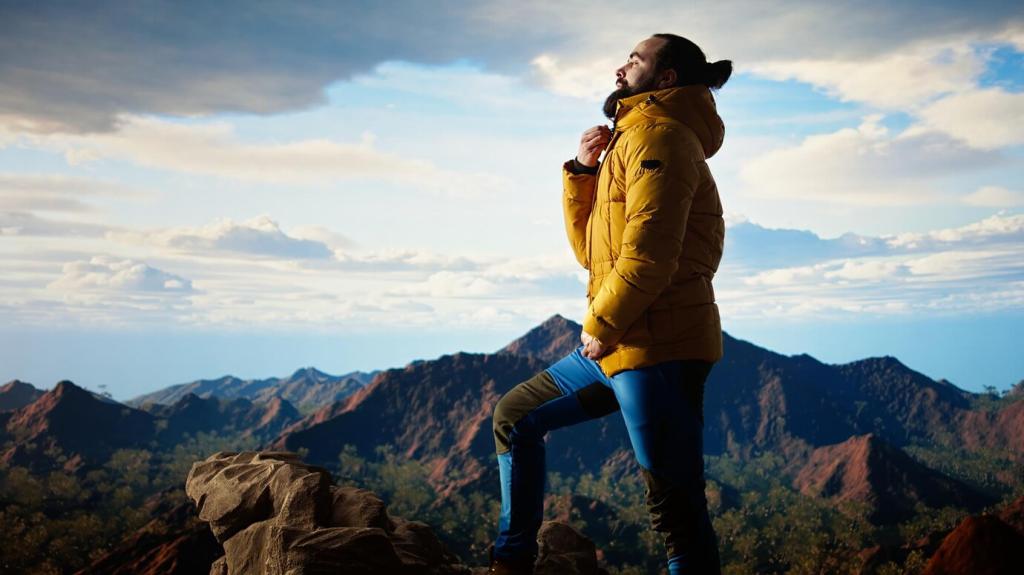
Stack easy miles, then add hill repeats, stair climbs, or loaded step-ups to simulate ascent. Progress your weekly vertical gently to avoid overuse. If you track heart rate, note how it rises at elevation and adjust expectations. Share your favorite at-home workout that pays off on steep, high trails.
Fueling for Altitude Across the Seasons
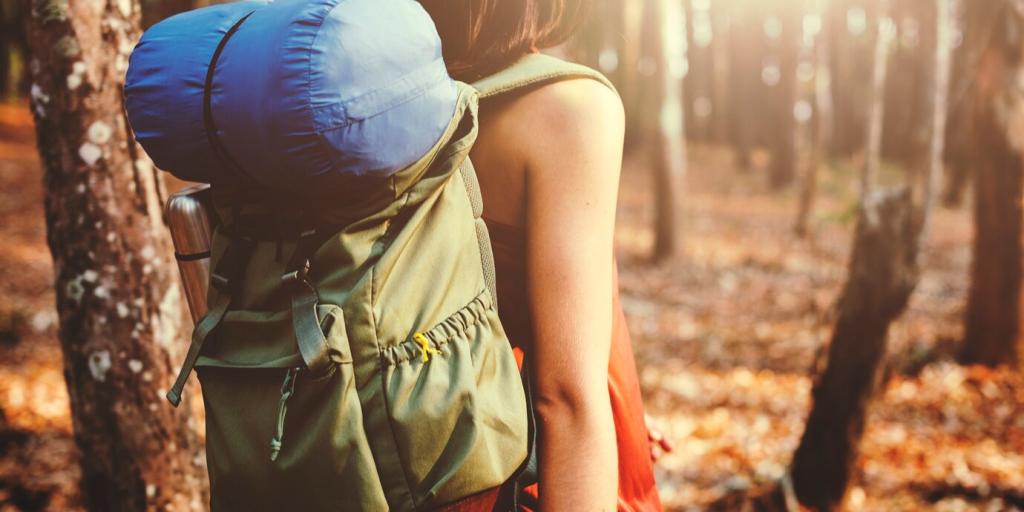
Choose dense snacks like nut butter packets, soft chews, and insulated tortillas instead of rock-hard bars. Warm drinks boost morale and hydration. Keep water bottles protected from freezing near your body. Share your favorite winter-friendly snack that still tastes good when the wind is howling at treeline.