Step into a year-round adventure where every month reshapes the mountains, deserts, forests, and coasts we love. Today’s theme: Seasonal Hiking: What to Expect on Different Trails. Read on for practical wisdom, real stories, and ways to engage with fellow hikers—then subscribe to keep the seasonal insights coming.
Reading the Seasons: Weather Patterns and Trail Personalities
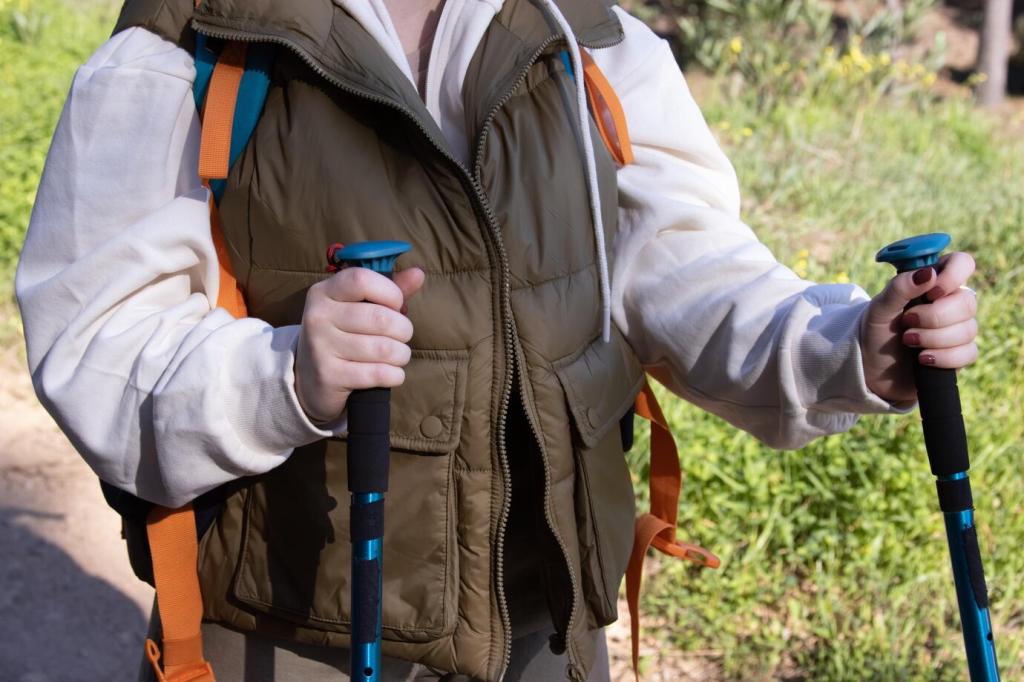
As snowmelt swells creeks and turns switchbacks to shoe-sucking mud, patience becomes a safety tool. Expect lingering snow on shaded aspects, fast water crossings after noon, and fragile trail edges. Start early, bring poles, and treat detours as discovery rather than delay.
High elevation routes hold snow long after valleys bloom. Expect cornices on windward edges, buried cairns, and runout slopes that firm up overnight. Hit them early, use traction when needed, and keep bailout routes in mind when clouds build faster than forecasts.
Trail Types Through the Seasons
Desert trails offer dreamy sunrises and brutal afternoons. Summer monsoons can turn harmless gullies into flashing rivers. Carry more water than feels reasonable, scout escape terrain, and respect the powerful temperature swing that chills sweat-soaked hikers after sunset.
Season-Smart Gear: Packing for Changing Conditions
Footwear, Traction, and the Mud Equation
Waterproof shoes help in cold, wet months, but breathable mesh dries faster in summer. Microspikes tame spring ice and early snowfields, while gaiters keep grit out. Carry an extra pair of socks; dry feet often decide whether you smile or slog.
Layers, Sun Protection, and Heat Management
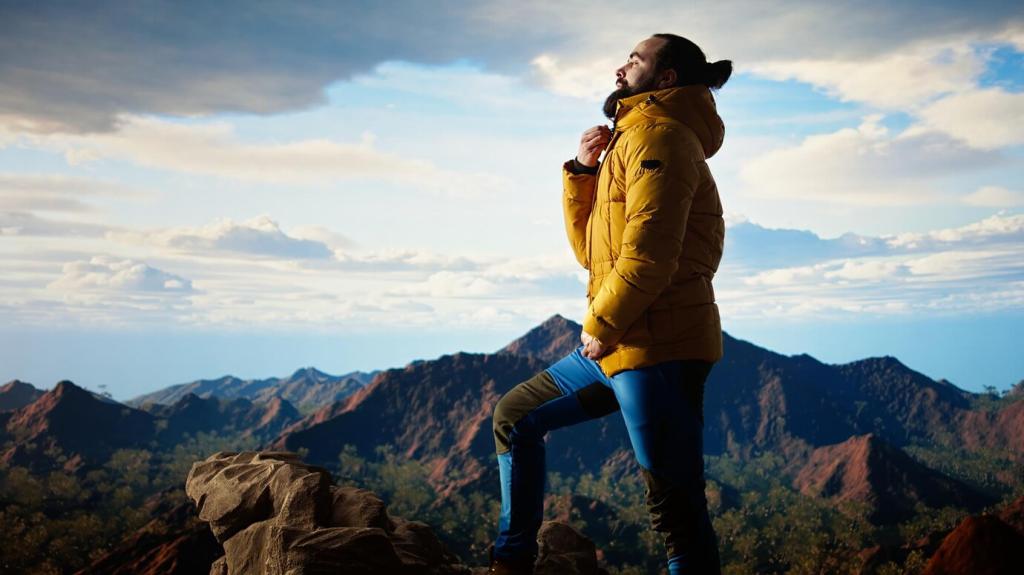
Lightweight sun hoodies, UPF hats, and high-SPF mineral sunscreen excel in glare. Shoulder seasons demand windproof shells and active insulation that breathes uphill. In summer, favor airy fabrics; in cold transitions, trap warmth without soaking in sweat on steady climbs.
Water Crossings and Melt-Season Decisions
Assess current speed, depth, and river width rather than trusting past trips. Unbuckle your hip belt, face upstream, and use poles for three-point stability. If the crossing grows louder than your thoughts, turn around and reframe the day without regret.
Heat Illness and Cold Stress, Same Trail Different Risks
Summer heat sneaks up with dizziness, nausea, and irritability. Schedule shade, salt, and steady sipping before symptoms. In colder months, wet wind strips warmth fast; swap layers quickly, keep moving, and preserve dexterity. Prevention is lighter than any emergency blanket.
Wildlife Rhythms Through the Year
Spring means hungry bears and curious cubs near emerging food. Summer brings snakes to sun-warmed rocks and insects to stagnant water. Autumn rut makes large ungulates unpredictable. Give space, store food meticulously, and let binoculars bring you closer without crossing boundaries.
Permits and the Rhythm of Peak Demand
High season often means limited quotas and lotteries for popular routes. Shoulder seasons offer quieter trails and easier bookings, but only if weather aligns. Set alerts, apply early, and keep a flexible backup plan ready for changing conditions.
Trail Conditions: Where to Find the Truth
Ranger stations, local hiking groups, and volunteer trail associations post gold-standard updates. Cross-check recent trip reports for dates and specifics, not just star ratings. Conditions can change overnight, so verify the week of your hike and again the day before.
Seasonal Etiquette and Leave No Trace Nuance
In mud season, stay on the trail center rather than trampling edges. In alpine bloom, step on durable surfaces instead of delicate plants. During drought, minimize soap and fire impacts. Respect closures; they often protect habitats during critical life cycles.
Tell Us Your Seasonal Highs and Lows
Which month transforms your favorite trail, and how did you adapt? Share a tip, a mistake, or a moment that changed your approach. Your story might be the nudge someone needs to turn back safely or push forward confidently.
Sign up to receive seasonal checklists, gear tweaks, and curated trail reports before weekend plans solidify. We send concise insights, not inbox clutter, so you can spend less time planning and more time meeting the trail where it is.